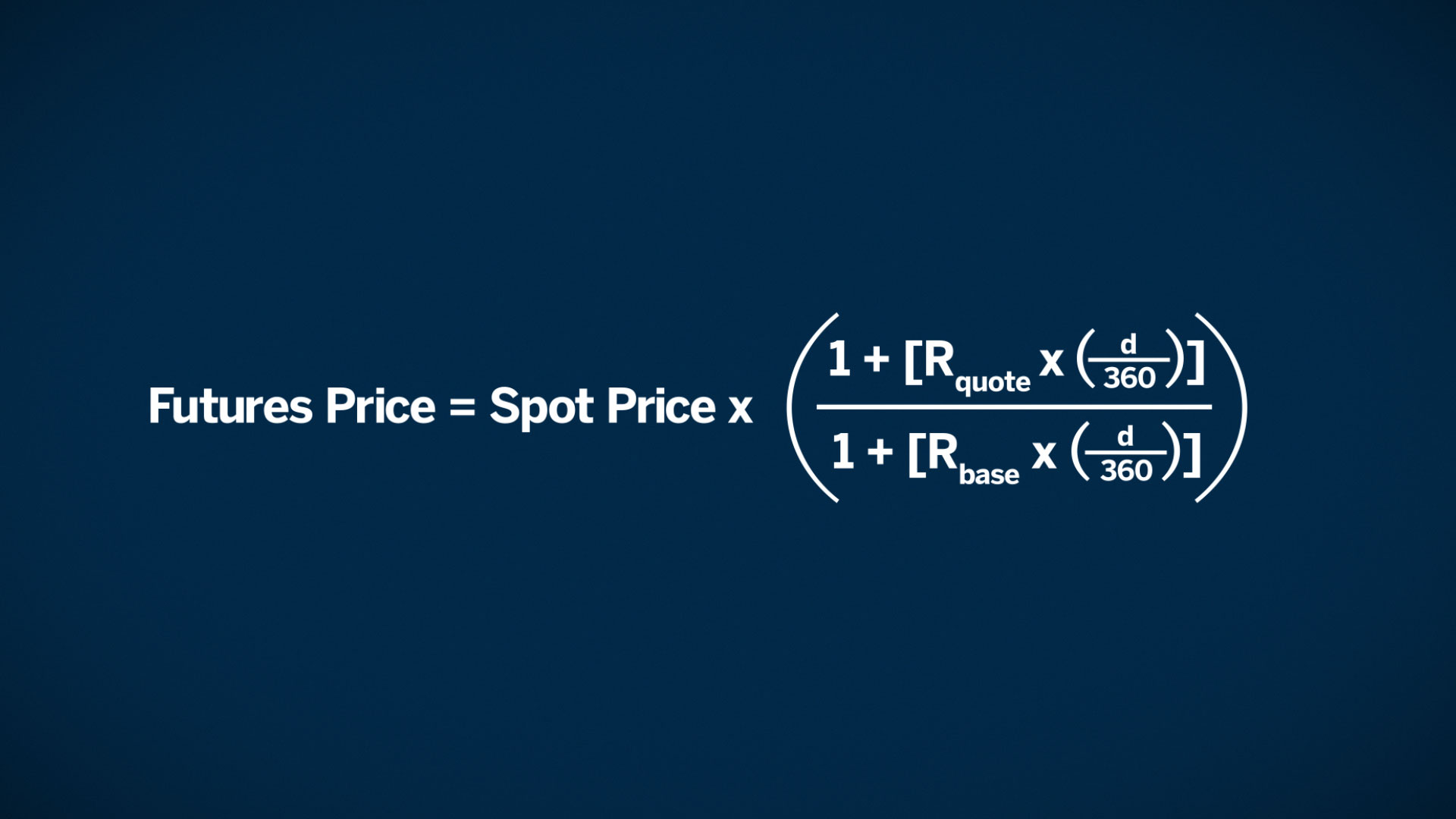
In today’s financial markets, low cost futures trading has become a major priority for both beginners and professional traders. With tighter margins and increasing competition, reducing trading expenses is one of the most effective ways to maximize returns. Futures trading offers opportunities in commodities, currencies, indices, and more, but excessive fees can eat away at profits. Choosing a broker that provides low-cost access without compromising on quality tools and execution is key.
This guide will walk you through the best low-cost futures trading brokers, platforms, and strategies to help you trade efficiently while keeping expenses under control.
What Is Low Cost Futures Trading?
Low cost futures trading refers to engaging in futures markets with brokers that charge minimal commissions, low margin rates, and reduced exchange fees, while still offering strong execution and trading tools. By cutting costs on commissions and platform fees, traders can allocate more capital to actual trading and risk management.
For active traders, even small differences in fees can add up to significant amounts over time.
Why Low Costs Matter in Futures Trading
Futures contracts are highly leveraged instruments, meaning small changes in price can lead to large gains—or losses. Because of this, trading costs play a huge role in long-term profitability.
Key reasons why minimizing costs is essential:
- Higher profit margins: Lower commissions mean keeping more of your earnings.
- Scalping and day trading: Frequent traders rely on low transaction costs to remain profitable.
- Capital efficiency: Lower margin requirements give more flexibility to deploy capital across multiple trades.
- Risk management: Reduced costs allow traders to focus more on strategy rather than expenses.
Best Low Cost Futures Trading Brokers in 2025
Here are some of the top brokers offering low-cost futures trading options:
1. NinjaTrader
NinjaTrader is known for its discounted commissions and professional-grade tools. With fees starting as low as $0.09 per side, it is one of the most affordable futures brokers.
Highlights:
- Advanced charting and analysis
- Free simulation accounts
- Discounted pricing for high-volume traders
2. Interactive Brokers (IBKR)
Interactive Brokers offers some of the lowest futures commissions in the industry, with global market access across multiple exchanges.
Highlights:
- Commissions as low as $0.25–$0.85 per contract
- Access to over 150 global markets
- Institutional-grade execution and research tools
3. TradeStation
TradeStation offers competitive commission structures and an intuitive platform for active futures traders.
Highlights:
- Commissions starting at $0.50 per contract
- Advanced trading tools and analytics
- Strategy backtesting and automation features
4. TD Ameritrade (Thinkorswim)
TD Ameritrade’s Thinkorswim platform provides professional tools and education resources, with straightforward commission rates for futures traders.
Highlights:
- $2.25 per futures contract
- Advanced charting and paper trading
- Great educational content for beginners
5. E*TRADE
E*TRADE combines competitive pricing with a user-friendly interface, making it ideal for those new to futures trading.
Highlights:
- $1.50 per contract
- Access to CME, ICE, and other major futures exchanges
- Easy-to-use desktop and mobile apps
How to Lower Your Futures Trading Costs
Even if you choose a low-cost broker, there are additional strategies to further reduce expenses:
1. Choose the Right Commission Plan
Many brokers offer tiered pricing based on trading volume. If you’re a frequent trader, opting for higher upfront fees with lower per-contract costs might save money.
2. Avoid Unnecessary Data Fees
Some platforms charge extra for premium market data. Start with only the data feeds you need to execute your strategy effectively.
3. Use Paper Trading First
Before committing real capital, test strategies on a simulated account to avoid costly mistakes.
4. Manage Margin Carefully
Excessive leverage increases costs through interest charges. Always keep margin usage in check.
5. Optimize Trading Strategy
Avoid overtrading. Focus on quality setups rather than frequent trades that increase commission costs.
Popular Low Cost Futures Trading Strategies
While minimizing fees is important, pairing it with an effective trading strategy ensures better results. Common approaches include:
- Scalping: Making quick trades to capture small price movements.
- Day Trading: Closing all positions before the market closes to avoid overnight fees.
- Swing Trading: Holding positions for several days to capture medium-term price trends.
- Hedging: Using futures to protect against risk in other investments.
These strategies work well with low-cost brokers, as reduced commissions improve overall profitability.
Risks to Consider in Low Cost Futures Trading
While reducing fees is beneficial, traders must still be aware of the inherent risks in futures markets:
- High Leverage: Increases both profit potential and risk exposure.
- Market Volatility: Sudden price movements can lead to rapid losses.
- Technical Failures: Low-cost brokers may have limitations in support or execution speed.
- Overtrading: The temptation of cheap fees can lead to excessive trading and higher risk.
Always pair low costs with strong risk management for long-term success.
The Future of Low Cost Futures Trading
The rise of AI-driven trading platforms, blockchain-based settlement systems, and commission-free models is transforming futures markets. In the coming years, we can expect:
- More commission-free trading models
- Better transparency in fees
- Advanced automation at lower costs
- Greater access to global exchanges
These trends will further empower traders to access futures markets at minimal expense with maximum efficiency.
Conclusion
Low cost futures trading is not just about saving money—it’s about maximizing profits, improving efficiency, and enabling traders to focus on strategy instead of expenses. Platforms like NinjaTrader, Interactive Brokers, and TradeStation stand out as leaders in offering affordable access without sacrificing quality.
By combining low-cost brokers, smart fee management, and effective trading strategies, traders can build a sustainable path to success in the highly competitive futures market.